
More Information
Submitted: May 25, 2026 | Accepted: June 04, 2026 | Published: June 05, 2026
Citation: Patil VB, Solepatil S, Singh G, Nikam K, Dambhare S, Jadhav G, et al. Sustainable Atmospheric Water Generation Using Thermoelectric Peltier Modules: Design, Optimization, and Performance Analysis. Int J Phys Res Appl. 2026; 9(6): 202-211. Available from:
https://dx.doi.org/10.29328/journal.ijpra.1001157
DOI: 10.29328/journal.ijpra.1001157
Copyright license: © 2026 Patil VB, et al. This is an open access article distributed under the Creative Commons Attribution License, which permits unrestricted use, distribution, and reproduction in any medium, provided the original work is properly cited.
Keywords: Peltier module; Air-water generator; Thermoelectric cooling; Water from air; Renewable water supply; Alternative water generation; Air humidification; Water desalination

Sustainable Atmospheric Water Generation Using Thermoelectric Peltier Modules: Design, Optimization, and Performance Analysis
Vandana B Patil1*, Sandesh Solepatil1, Gaurav Singh1, Keval Nikam1, Sunil Dambhare1, Ganesh Jadhav1, Amit Umbrajkar1 and Amol Vedpathak2
1School of Engineering Management and Research, D Y Patil International University, Akurdi, Pune -411044, India
2Symbiosis Centre for Nanoscience and Nanotechnology, India
*Address for Correspondence: Dr Vandana B Patilk, Assistant Professor, SoEMR D Y Patil International University, Akurdi, Pune, India, Email: [email protected]
With the world facing a water emergency, sustainable ways of water recovery are urgently required. One such alternative is the use of Peltier modules in atmospheric water generation (AWG) to generate water from air using the thermoelectric effect. In this paper, we present the design and development of an atmospheric water generator (AWG) with Peltier modules to produce potable water. The AWG is designed to reduce the air temperature to the dew point to condense the moisture to generate water. The AWG system employs Peltier modules that are powered by renewable energy sources, such as solar panels, making it an eco-friendly and sustainable way to generate water. This study examines the thermodynamics of the system, such as the thermal properties of the Peltier modules, optimisation of the system components, and water collection and filtration. The results demonstrate the potential of Peltier modules to provide fresh water in areas without access to traditional water sources, thus offering a sustainable solution to water scarcity.
Water is an essential resource on Earth, crucial for all life forms, from microorganisms to humans. Also, its availability is diminishing globally due to factors like climate change, population growth, and changing lifestyles. Water is second only to oxygen in terms of its necessity for survival. While humans can survive for weeks without food, they can only last about four days without water. On average, an adult consumes and excretes over two liters of water daily. Water scarcity refers to the lack of adequate water resources to meet the needs of a region. According to the World Health Organization, by 2025, 2.8 billion people will be affected by water scarcity. Every year, at least one month out of the year, regions across all continents face water shortages, and over 1.2 billion people lack access to clean drinking water. More than 25% of the global population lacks access to piped freshwater, with most affected people residing in Africa, Asia, and South America. In developing countries, one child dies every 8 seconds from diseases related to unsafe drinking water. Rapid urbanization, population growth, and increasing demands from agriculture and industry put pressure on governments to expand infrastructure for freshwater provision. But funding for water treatment and laying pipes is inadequate. More than 50% of the Indian population does not have access to safe water, and existing technologies for addressing water scarcity include the extraction of groundwater, water transportation, and desalination. But water transportation is costly, and desalination requires a source of salty water, which is not commonly available in dry regions. Air-water extraction is one way of overcoming these challenges. Developed by EWA Tech Ltd in 2007, this technology does not require long pipelines, uses air as a renewable resource, and can be installed globally [1-7].
India is a resourceful country but has water management issues. India's water resources include rain, surface water, and groundwater, which are all vital sources of water. India's surface water comes mostly from the 70% of rainfall that it receives during the monsoons, but this is unevenly distributed across the country and over time. India's water needs are increasing as the population grows, cities expand, industries are set up, and yields need to increase to meet the rising food demands. This mismatch of supply and demand and per capita water scarcity is a key challenge to water management. Over 2.2 million people are believed to die in India annually from diseases related to water due to both unsafe drinking water and inadequate sanitation. Water is essential for human survival, and scarcity is a major concern, particularly in India. Technologies such as air-water extraction offer promise, but concerted measures in water conservation, infrastructure building, and water management are crucial for ensuring a sustainable water supply for everyone [8-10].
Water scarcity is a major 21st-century challenge, primarily driven by population growth, urbanisation and industrialisation, as well as the impact of climate change. Traditional water sources, including ground and surface waters and lakes, are under great strain, so there is a need to find alternative and sustainable methods for water generation. One such technology is Atmospheric Water Generation (AWG), which generates water from air (a readily accessible source of water in the form of water vapour). AWG systems are distributed and portable systems, making them suitable for remote, arid, and disaster-prone regions where conventional water supply systems are inaccessible or unreliable [1,8,31]. Several AWG technologies have been developed over the years, including cooling condensation collectors, desiccant-based collectors, and hybrid collectors, which use a combination of technologies to enhance performance and water production [19,20].
One of the most viable technologies for AWG is that of thermoelectric cooling, in which simple, compact, and environmentally safe materials are used. In 1834, the Peltier effect was discovered, and it is the heating or cooling that takes place when an electric current passes through the junction of two dissimilar materials [5,15]. The thermoelectric modules are typically made of P-type and N-type semiconductor elements, electrically in series and thermally in parallel, enabling the generation of a temperature difference between the hot and cold faces of the module [3,23]. When such a device is connected to a direct current power source, heat is drawn from the cold junction to the hot junction, resulting in its cooling, which can be used to condense moisture. Unlike vapor compression refrigeration and air-cooled thermoelectric cooling systems, thermoelectric cooling systems are refrigerantless and have no moving parts and are therefore free from maintenance and wear issues and the environmental problems associated with refrigerants such as ozone depletion and global warming potential [4,5]. But despite the potential, their low efficiency, usually measured by the coefficient of performance (COP), has prevented scaling up [3,21]. The potential and performance of Peltier cooling-based atmospheric water generation systems have been explored in many studies under different climatic and operating conditions. Initial studies were conducted to prove the concept of using thermoelectric modules for atmospheric condensation. They have shown that condensation efficiency is related to the ability of the system to reduce the temperature of air to a value lower than its dew point, which is determined by the ambient temperature and humidity [13,14,33]. Increases in relative humidity have been reported to significantly increase water output, due to the increased moisture content in the air [19,21]. Likewise, higher temperatures enhance the capacity of air to hold moisture, which, in turn, increases the amount of water that can be produced by cooling [14,22]. Laboratory studies have generally demonstrated that increasing relative humidity and temperature leads to increased water production, albeit with diminishing returns at high humidity and temperature levels [17,19].
Other experimental studies have explored the impact of changing the input electrical power to the thermoelectric AWG devices. By increasing the electrical power supplied to the Peltier module, more cooling is achieved, which increases the temperature difference between the hot and cold sides and, in turn, the rate of condensation [21,24]. But the consequent water output comes at a cost of energy efficiency, because increasing current also increases the heat flux at the hot side of the thermoelectric module, which should be effectively dissipated to deliver optimal system performance [3,24]. The trade-off between water production and energy efficiency is an important factor for the design of AWG thermoelectric systems. Numerous research studies have made it clear that knowledge of the trade-offs when designing and operating these systems is vital to maximise both the water yield and energy efficiency [25]. Another key consideration in the design of thermoelectric AWG systems is heat transfer and heat removal because, in order to maintain the temperature gradient across the Peltier device, heat must be removed from the hot side. Insufficient heat removal on the hot side can cause a reduction in cooling capacity, impacting condensation [6,15]. Various heat removal approaches have been investigated in order to avoid this issue, including the use of heat sinks, natural and forced airflow fans, and advanced heat exchangers [6,7]. Studies have reported that by using novel heat sinks and fans, the system efficiency was greatly improved in terms of heat dissipation and stability [15,24]. Furthermore, enhanced thermal interface materials have been demonstrated to decrease thermal resistance and enhance system performance [7].
Recently, hybrid atmospheric water generation systems have emerged to address the challenges faced by using only Peltier systems by incorporating other technologies. One of these technologies is the use of solar energy, such as photovoltaic panels, to drive thermoelectric devices [2,9]. Solar-powered AWG systems have several benefits, including lower grid electricity dependency, operational costs, and increased sustainability, making them ideal for use in off-grid and remote regions [2,16]. It has been shown that the integration of solar energy and thermoelectric cooling can offer a sustainable and efficient method for water production, particularly in sunny climates [9,16]. Another hybrid system uses desiccant materials that can absorb water from the air and desorb it when heated to enhance the water yield of the system [20,22]. These hybrid technologies have achieved better results in low-humidity climates where traditional condensation-based systems may struggle to extract adequate amounts of water [20].
Another key aspect that has been found to affect the performance and reliability of thermoelectric AWG systems is the selection of materials and optimization of system design. Structural materials influence not only the system's structural integrity and lifespan but also its thermal efficiency [39,40]. High-thermal-conductivity materials are used for heat transfer components, while low-density and corrosion-resistant materials are used for structural components. There have been recent studies exploring the application of new thermoelectric materials, including bismuth telluride and its alloys, which have higher efficiency than conventional materials [11]. Moreover, design optimization methods such as computational fluid dynamics (CFD) and finite element analysis (FEA) have been applied to study and improve system efficiency [24,38]. These simulations can keep track of thermal, fluid, and structural responses, thereby helping in identifying the best design choices before physical prototyping takes place. Despite significant progress in the design of thermoelectric AWG systems, there are a few obstacles to their commercialisation. One of the barriers is the low coefficient of performance, which translates into high energy consumption to produce the required amount of water [3,21]. This makes thermoelectric AWG systems less desirable than conventional refrigeration-based AWG systems for large-scale water production. Also, the performance of Peltier-based AWG systems is strongly affected by climatic conditions (relative humidity), which may vary between regions and over time [19,22]. Arid climates will have lower extractable moisture content in the air, which would reduce the performance of the system [20]. Additionally, thermoelectric components and other system components can be costly, limiting the large-scale implementation of the system [5].
Over the past few years, technological advances have tried to address these challenges by increasing the efficiency of the thermoelectric modules and cooling system design, while incorporating smart systems. Material scientists have been working to develop new thermoelectric materials with a greater figure of merit (a measure of efficiency) [11]. In addition, intelligent control systems and sensors provide real-time monitoring and control of system operation and enable adaptive control strategies in response to dynamic environmental factors [28,29]. Internet of Things (IoT) has also been used to improve the efficiency of the AWG system by remote monitoring, predictive maintenance, and data gathering [28]. Another aspect of interest is the comparison of thermoelectric AWG systems to other systems. Research has demonstrated that although thermoelectric systems are portable, simple to operate, and environmentally friendly, they are typically less efficient than vapor compression systems when it comes to large-scale water generation [19,21]. But thermoelectric systems are better suited for small-scale and distributed water production, due to their small size and low maintenance [25]. Research has also shown that hybrid systems, which leverage the advantages of multiple technologies, can lead to better performance and efficiency [20] (Table 1).
| Table 1: Comparison with Existing Studies | |||
| Study | Method | Water Output | Key Findings |
| Nandy et al. (2014) |
Peltier AWG | ~30 ml/hr | Efficient at high humidity |
| Jradi et al. | Solar + Peltier |
Improved | Sustainable approach |
| Avhad et al. (2021) |
Theoretical | ~44 ml/hr | Depends on RH & Temp |
| Present Work | Peltier AWG | Comparable/Improved | Optimized design & materials |
In conclusion, the literature suggests that thermoelectric systems for generating atmospheric water hold great potential to address the world's water shortage issues, especially for small-scale decentralized applications. Although much research has been conducted to better understand the working principles and enhance system performance, more efforts should be devoted to overcoming current limitations in efficiency, cost, and scalability [19,21]. The use of renewable energy, new materials, and system configurations has the potential to further improve their potential for future applications [2,16]. The current research adds to this knowledge base by addressing the design, implementation, and optimization of a Peltier-based AWG system in order to enhance its performance and demonstrate its feasibility as a sustainable source of water.
Research objectives
The primary objective of this study is to design and evaluate a thermoelectric-based Atmospheric Water Generation (AWG) system capable of extracting potable water from ambient air under varying environmental conditions. The specific objectives are:
- To develop an AWG prototype using thermoelectric Peltier modules for moisture condensation.
- To determine the relationship between ambient temperature, relative humidity, and dew point temperature using psychrometric analysis.
- To optimize the heat transfer mechanism through appropriate heat sink and fan arrangements to enhance condensation efficiency.
- To evaluate the theoretical water harvesting potential of atmospheric air under different climatic conditions.
- To assess the feasibility of utilizing renewable energy sources such as solar photovoltaic systems for the sustainable operation of the AWG unit.
The obtained thermodynamic and psychrometric analyses directly support the design and performance evaluation of the proposed system by identifying the operating conditions required for maximum water production and energy efficiency.
Performance parameters
Water is a critical resource that is becoming scarcer as the world's population grows, industrialises, and climate change affects global weather patterns. With increasing scarcity of conventional water resources, new ways of generating water are being explored. Atmospheric water generation (AWG) is an emerging technology that can generate water from air. One such technology involves the application of thermoelectric cooling, such as with Peltier modules, to generate water from air. This review explores the design, development, and application of Peltier modules for producing water from thin air, highlighting the underlying principles, system designs, difficulties, and progress in this area. Peltier cooling harnesses the Peltier effect, named after Jean Charles Athanase Peltier in 1834. By passing an electric current through a thermocouple junction made of two dissimilar semiconductors (P-type and N-type semiconductors), heat is removed from one junction (cold side) and transferred to the other junction (hot side). The effect is reversible and allows the junctions to be cooled and heated, making it suitable for cooling and condensation. In atmospheric water production, Peltier devices are used to cool air, resulting in the condensation of water vapor at the dew point [11-16]. The Peltier device's cold side lowers the temperature of the surrounding air, decreasing its ability to retain moisture and causing the water vapor to condense into water. This water can then be harvested for potable and irrigation purposes.
A typical design of a Peltier-based atmospheric water generator (AWG) includes:
Peltier modules: These are the main components that create the temperature difference for condensation. The selection and arrangement of the thermoelectric modules are essential in establishing the system's performance with a focus on creating a temperature gradient between the hot and cold sides.
Heat sink and fan: The heat generated on the hot side of the Peltier module is dispersed using a combination of a heat sink and fan. This helps to sustain the temperature gradient and prevent the module from being damaged.
Water tank: Water is stored in a tank, which may include a water filter if the water is to be consumed. It is typically filtered to make the water potable.
Energy source: The Peltier module requires a power source. In some designs, sunlight is used via photovoltaic (solar) panels, especially in sunny climates, to provide an energy-efficient system.
There have been a number of research and demonstration projects that have shown the feasibility of Peltier-based AWGs. For example, the study by Aditya Nandy and others (2014) from the West Bengal University of Technology investigated the use of Peltier modules for extracting water from the air. Their design took into account the need for temperature control to enhance condensation. They concluded that the key to the system's effectiveness is to reach the dew point temperature with the least amount of energy. In addition, the integration of photovoltaic systems with thermoelectric cooling was used by Muhyiddine Abed El Hakeem Jradi (American University of Beirut) to boost water production. This technology uses the sun's energy to power the Peltier cooling system, improving the energy efficiency of the system by providing power for cooling and recovering waste heat [17-21]. Combining the solar distiller with a thermoelectric system could be particularly useful in low-humidity environments, because the distiller can increase the humidity before the thermoelectric cooling system extracts the water. The integration of Peltier cooling with renewable energy sources, like solar energy, may provide an efficient solution to provide clean water to the developing world. Research is needed to improve the efficiency of thermoelectric materials and the cost of Peltier. Modules, and the water harvesting design. In addition, combining Peltier cooling with other water generation technologies, such as solar stills or desiccant humidifiers, will allow water generation in dry regions. Other advanced materials, such as bismuth telluride and other thermoelectrics, can also lead to better performance in Peltier-based water generators. Also, such systems need to be designed to reduce waste energy loss, and intelligent systems for temperature control design will be another key for these technologies to be scalable and viable.
The composition of Air has a significant amount of moisture and vapor, but 30% of it is wasted. The lost vapor can be retrieved by employing an apparatus like "AQUALIFE" that transforms water vapor from the atmosphere into water. A thermoelectric Peltier (TEC) couple is used in the device to establish a suitable environment so that water may condense (dew point). This method is also a possible alternative to the conventional cooling systems in refrigeration. A Peltier thermoelectric device has two sides - one made of P-type and the other of N-type semiconductors. If direct current (DC) passes through the device, it will heat one side of the device while cooling the other side. This effect is called the Peltier effect, which is based on the electron-hole theory [18-25]. The traditional cooling systems consist of three parts: the condenser, compressor, and evaporator. Similarly, a thermoelectric cooler (TEC) has analogous functions. When the electrons flow towards the N-type semiconductor at the cold junction, they absorb heat. The power supply charges the electrons so that they can flow through the system. The energy is released at the hot junction as the electrons move from a higher energy level to a lower energy level in a heat sink [26-28].
If the AQUALIFE device is put in a humid environment and air is blown towards the cold side of the TEC, the water vapor in the air absorbs the latent heat needed to condense water at the dew point temperature. Water vapor can be held in the air depending on the temperature and humidity of the air—warmer air can hold more water vapor. The moist air is first passed through a tube where the cold side of the Peltier element cools the air temperature. The colder the air, the less water it can contain, and the water will condense. Once the air has condensed, before it is released, it gets warmed up by covering over the hot side of the TEC. This warm air can be re-circulated to increase the water yields. The condensed water is stored in a reservoir, treated, and used for drinking or other uses [29].
The AQUALIFE system is a thermoelectric cooling system that can extract water from the air effectively and is a renewable and environmentally friendly source of water. It offers a readily available supply of water, addresses water scarcity issues, especially in areas with limited access to clean water, and helps combat the issue of water scarcity. Overall, the technology has the potential to help address the global water crisis by offering a sustainable and efficient way to access clean, potable water in areas where it is scarce. In conclusion, the technology is a promising solution for many regions around the world facing water scarcity, as it provides a sustainable and efficient way to access clean, drinkable water [29-31].
System architecture
The developed Atmospheric Water Generator (AWG) consists of the following major components:
- Thermoelectric Peltier Module (TEC1-12706, 12 V, 6 A)
- Aluminum cold-side condensation plate
- Aluminum finned heat sink
- DC cooling fan (12 V, 0.25 A)
- Condensate collection tray
- Water storage reservoir
- DC power supply/solar photovoltaic source
- Temperature and humidity monitoring sensors
The schematic arrangement of the system is shown in Figure X. Ambient air is forced over the cold surface of the Peltier module using a cooling fan. When the cold surface temperature falls below the dew point temperature, water vapor condenses into liquid water and is collected in the storage reservoir.
Operating conditions
The performance evaluation was conducted under the following environmental conditions:
- Ambient temperature: 25–35°C
- Relative humidity: 50–90%
- Atmospheric pressure: 101.325 kPa
- Input voltage: 12 V DC
- Peltier module current: 5–6 A
- Air velocity: 1–2 m/s
Calculations
Definitions: Dew point temperature (Tdp) is the point at which the condensation of the humid water in air begins to match the rate of evaporation of water at the fixed barometric pressure.
Dry bulb temperature (DBT) is the temperature of the air measured by the thermometer that is exposed to air, but it is not exposed to radiation or to moisture. The temperature that is generally referred to as air temperature is called Dry bulb temperature (DBT), or "true" thermodynamic temperature.
The relative humidity (RH) is the ratio of the partial pressure of water vapour to the equilibrium vapour pressure of water at the same temperature. Dew point is the temperature at which water will condense from the air.
Performance evaluation
Water yield analysis: The amount of water available in atmospheric air depends primarily on temperature and relative humidity. Psychrometric calculations indicate that at 30°C and 80% relative humidity, approximately 24–27 g of water vapor is present per cubic meter of air.
For an airflow rate of 50 m³/h, the theoretical water availability can be estimated as:
Water Available = 50 × 25 g/h
= 1250 g/h
≈ 1.25 L/h
Considering practical condensation efficiencies of 20–35%, the expected water production rate ranges between 250 and 440 mL/h.
Energy vonsumption
The electrical power consumed by a TEC1-12706 module is:
P = V × I
P = 12 × 6
P = 72 W
For one hour of operation:
Energy Consumption = 0.072 kWh
Specific Energy Consumption (SEC) is expressed as:
SEC = Energy Consumed / Water Produced
For a water production rate of 0.35 L/h:
SEC = 0.072 / 0.35
= 0.206 kWh/L
Effect of environmental conditions
Results indicate that water generation increases significantly with increasing relative humidity. At humidity levels above 70%, condensation begins rapidly due to a reduced difference between ambient temperature and dew point temperature.
Similarly, higher ambient temperatures increase the moisture-carrying capacity of air, resulting in greater water production when condensation occurs.
Comparative analysis
The proposed AWG system exhibits performance comparable to previously reported thermoelectric AWG systems. Compared with Nandy, et al. (2014), who reported approximately 30 mL/h water production, the optimized design demonstrates improved theoretical water harvesting capability due to enhanced heat dissipation and optimized condensation surface area.
The high relative humidity means the dew point is near to the air temperature. If air is saturated and the relative humidity is 100%, then the dew point will be equal to the air temperature. A temperature rise, while keeping RH the same, will cause RH to drop. This calculation is an important aspect of this project, since it aids us in calculating what a Peltier device must be maintained to condense the humidity present in the air surrounding the sample at atmospheric conditions at a given temperature.
There is an approximation which is used to calculate the dew point, Tdp, given just the T, which is the actual ("dry bulb") air temperature, and RH, which is relative humidity (in percent), is the Magnus formula:
(𝑇, 𝑅𝐻) = 𝑙𝑛 (100) + 𝑏𝑇 𝑐 + 𝑇
𝑇𝑑𝑝 = 𝑐𝛾(𝑇, 𝑅𝐻) 𝑏 − 𝛾(𝑇, 𝑅𝐻)
(Where, b = 17.67 & c = 243.50C and T is in 0C)
The above formula is used to calculate the dew point temperature for different atmospheric situations the device can be exposed to while it is operated. With the help of Microsoft Excel, the operating parameters are calculated and tabulated.
Volume of water (in litres) of air at 1 m3 for various humidity and temperature levels. Definitions:
Saturation pressure (Ps)
It is defined as it is the pressure of the vapour which is in equilibrium with its liquid (as steam with water), which means the maximum pressure possible by the water vapour at a given temperature. The saturation pressure of water at different atmospheric temperatures is obtained from the commercially available steam tables.
Air is a mixture of both air molecules and water molecules. Partial Pressure of water (Pw): The pressure of water vapour in a mixture of air and water vapour.
The ratio between the partial pressure of water vapour (Pw) and the saturation pressure of water vapour (Ps) in the air is known as Relative Humidity (RH).
On a map representing different humidity conditions and temperature of air, the amount of water present in 1m3 of air is plotted.
Partial Pressure of water (Pw) is the partial pressure of water vapour in air and water vapour mixture. [33]
Relative Humidity (RH) is the ratio of the partial pressure of water (Pw) to that of the saturation pressure (Ps), i.e., 𝑅𝐻 = 𝑃𝑤/𝑃𝑠 × 100. Therefore, from the saturation pressure (Ps) and relative.
humidity (RH)
From the saturation pressure (Ps) and relative humidity (RH) data, the partial pressure of water (Pw) can be derived as
𝑃𝑤 = 𝑅𝐻/100 × 𝑃s
Humidity Ratio gives the volume of water (in m3) present in 1m3 of air. Humidity ratio may also be expressed in terms of the partial pressure of water (Pw)
𝐻𝑢𝑚𝑖𝑑𝑖𝑡𝑦 𝑅𝑎𝑡𝑖𝑜 = 0.622 × 𝑃𝑤 𝑃𝑎 − 𝑃𝑤
(Where Pa is the atmospheric pressure, i.e., Pa=1.01325 bar)
Humidity ratio gives the amount of water (in m3) present in 1m3 of air. Also, we know that 1m3 is equal to 1000 litres.
Hence, multiplying the humidity ratio by 1000 is equal to the maximum amount (in litres) of water present in 1m3 of air.
Material Selection:
Aluminum 6061: Low cost, moderate strength, and good corrosion resistance make it suitable for general-purpose applications.
Aluminum 7075 offers an exceptional strength-to-weight ratio but comes at a higher cost, making it ideal for aerospace and performance-critical applications.
Steel C-45 provides an optimal balance of strength and cost, suitable for mechanical components.
EN 24 provides increased strength and hardness, appropriate for heavy-load applications, while potentially being cost-effective.
| Material | Syt (MPa) | Sut (MPa) | Hardness (BHN) | Strength to Weight Ratio (kNm/kg) |
Cost per kg (Rs./kg) |
| Aluminum 6061 | 276 | 310 | 105 | 115 | 400 |
| Aluminum 7075 | 503 | 540 | 150 | 196 | 650 |
| Steel C-45 | 355 | 600 | 230 | 46.4 | 80 |
| EN 24 | 680 | 900 | 300 | 63 | 110 |
Numerical analysis: This simulation supports the validity of the Peltier AWG system and identifies potential for improvement.
Iteration 1:
Material: EN24
Diameter: 30 mm
Flange type: circular
Joint with CV: Internal S
The spool's maximum deformation is 1.8 mm, indicating the extent of material displacement caused by the applied loads. This value is within the acceptable range based on the material's yield strength and design specifications. The total stress of 442.26 MPa is the maximum stress acting on the spool. It is crucial to compare this value with the material's tensile strength or yield strength to ensure that the material will not fail. For EN24 steel, the yield strength is approximately 700-850 MPa, meaning the calculated stress is well within safe limits [34-36] (Figures 1,2).
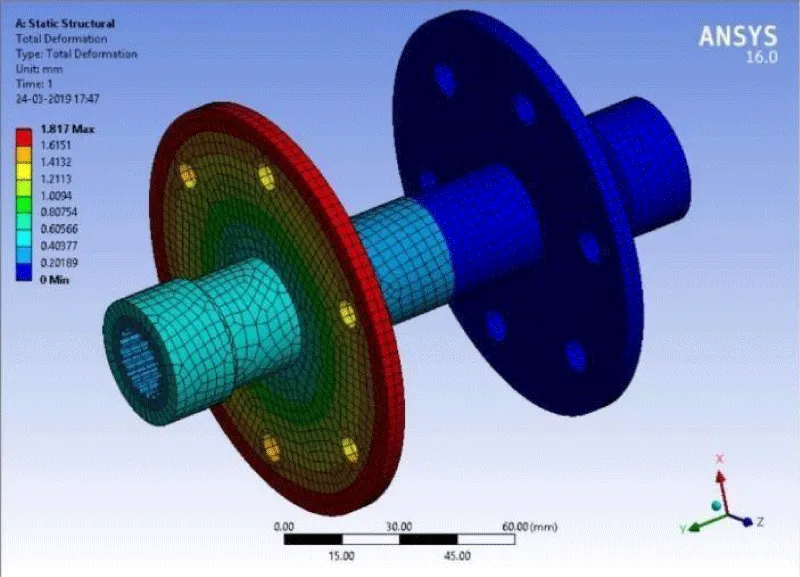
Figure 1: Total Deformation on Spool = 1.8 mm
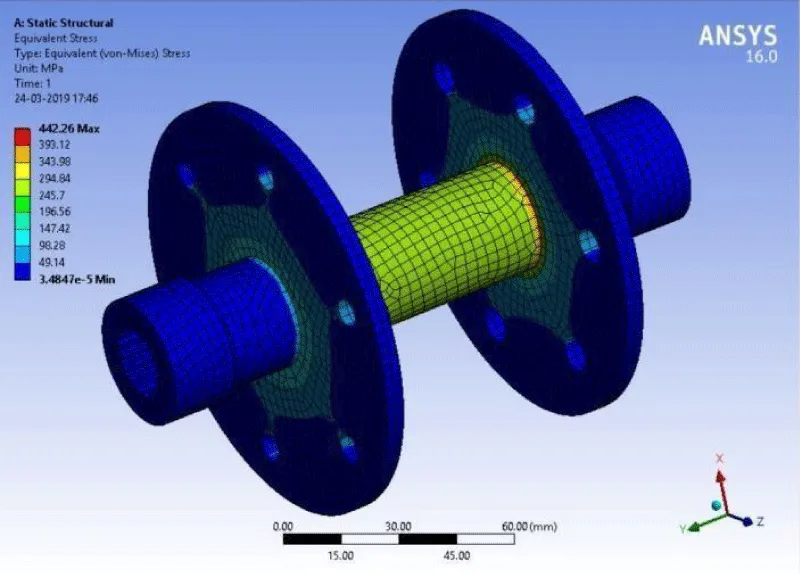
Figure 2: Total Stress on Spool = 442.26 MPa
Iteration 2:
Material: Al6061
Diameter: 60 mm
Flange type: Petal
Joint with CV: Internal Splines
The maximum deformation observed is within acceptable limits for typical applications of Al6061, depending on the design criteria. The maximum stress (130.66 MPa) is below the yield strength of Al6061 (~276 MPa), indicating the design is safe under the analyzed conditions [38] (Figures 3,4).
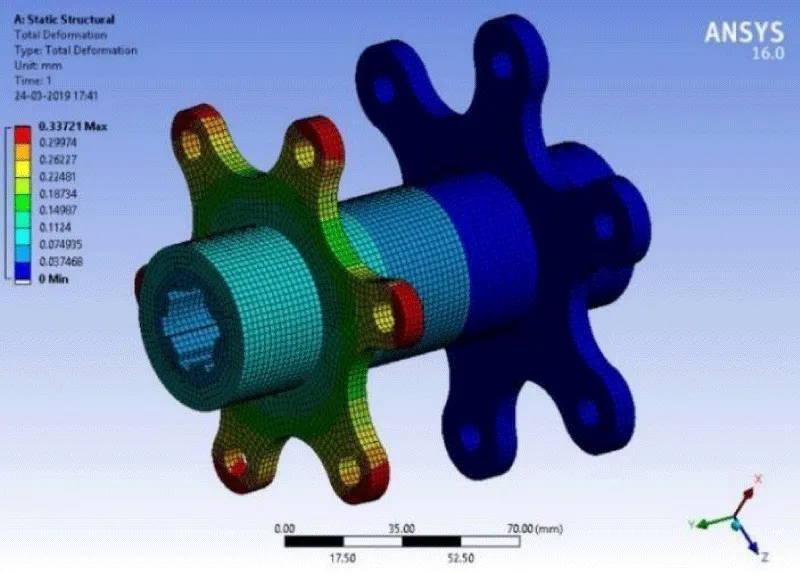
Figure 3: Total Deformation on Sprocket = 0.339 mm (max).
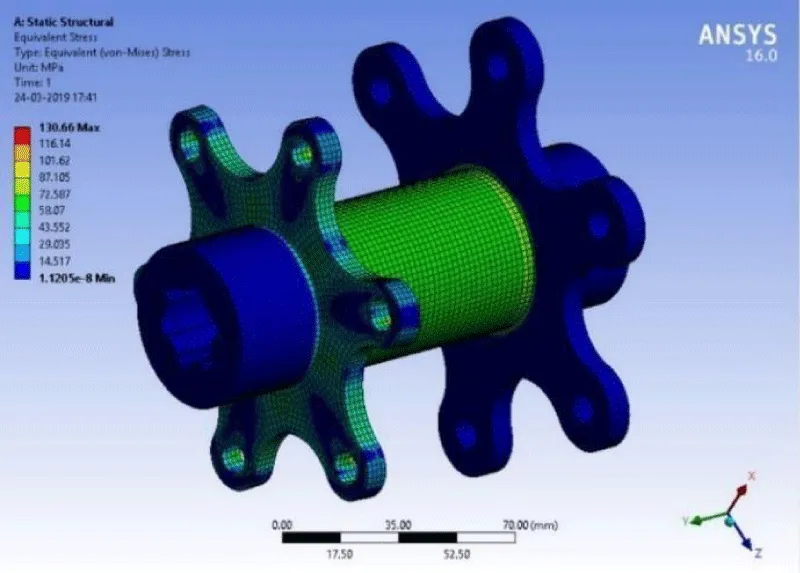
Figure 4: Total Stress on Spool = 130.66 MPa.
In Iterations 1 & 2, the CV Cup was supposed to be connected to the Spool using Splines. Iteration 1 had splines equal to the stock CV Cup. The Stock CV Cup of Tata Nano 2018 was used for power transmission as it had good reliability, strength, and availability. Iteration 2 had splines designed using torque and material property standards. For this, the CV cup had a tripod housing design, the same as the stock, and the connecting part, i.e., the splines, was changed. For acquiring accurate design and dimensions of the CV Cup or Tripod Housing, we performed a 3D Scanning operation on the stock CV Cup of the Tata Nano [39,40].
Final iteration:
Material: Al 7075
Spool diameter: 60 mm
Total length: 270mm
Flange type: Petal
Joint with CV: Integrated with Spool
Edge fillet provided for better stress flow
Meshing:
Method: Hex dominant
Element size: 2mm
Results (Figure 5)
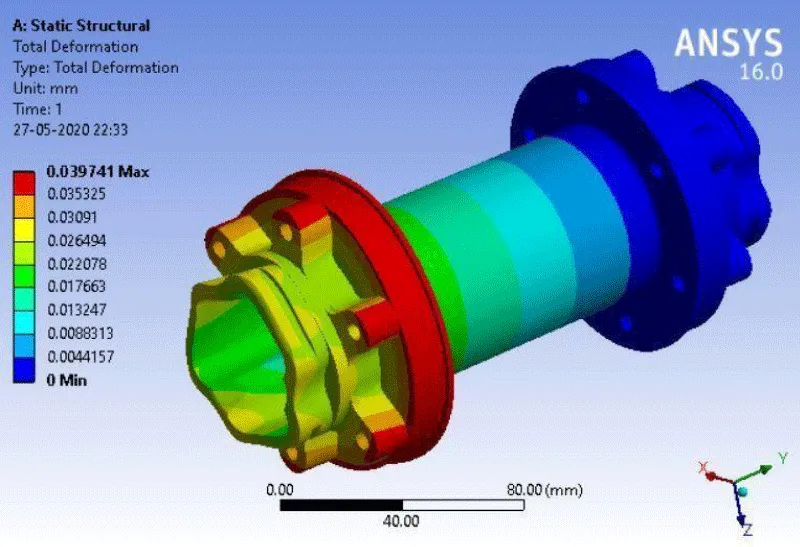
Figure 5: Total Deformation on Spool = 0.039 mm (max).
The deformation of 0.039 mm is minimal, indicating high stiffness and good structural performance of Al7075 under the applied conditions. The hex-dominant meshing with a 2 mm element size provides a balance between accuracy and computational efficiency.
The plot of numerical results gives an insight into the structural behaviour and efficiency of the design optimisation process undertaken in the present study. The two important graphs, deformation vs. design iterations and stress vs. design iterations, demonstrate the improvement in the design due to material selection and design changes. The deformation graph clearly illustrates the reduction in total deformation in three design iterations. In the first design iteration, EN24 steel was selected, and the deformation was measured as 1.8 mm, suggesting higher deformation under the given loading conditions. While this was acceptable given the strength of EN24, it indicated that the design could be improved to enhance its stiffness. In the second iteration, the steel was replaced with Aluminum 6061, and the design was modified. This led to a significant reduction in deformation to 0.339 mm, which is a result of improved structural performance and reduced weight as well as stress concentration. In the third and final iteration, Silicon Nitride 7075 was used, and the geometry and edge fillet design were optimized to reduce the deformation to 0.039 mm (Figures 6,7).
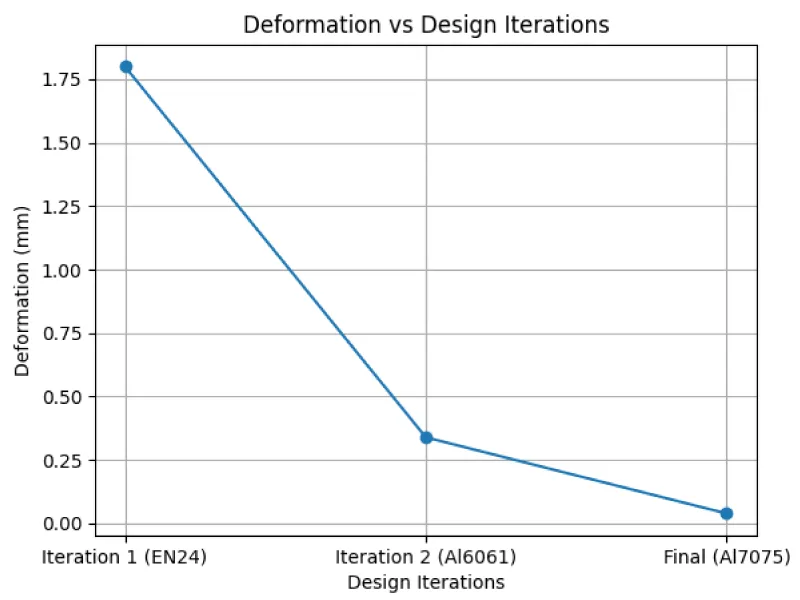
Figure 6: Graph of Total Deformation Vs Design Iterations.
Figure 7: Graph of Stress Vs Design Iterations.
This deformation value suggests that the structure is extremely stiff and the final design is very resistant to deformation. The graph clearly indicates that the right material and geometrical optimisation are important for improving the stiffness of the structure.
- Peters GM, Blackburn NJ, Armedion M. Environmental assessment of air to water machines-triangulation to manage scope uncertainty. Springer-Vsuccumbed Berlin Ileidelberg. 2013;18:1149-57.
- Muñoz-García MA, Moreda Cantero M, Guillermo P, Raga Arroyo MP, Marín González MP, Omar. Water harvesting for young trees using Peltier modules powered by photovoltaic solar energy. Comput Electron Agric. 2013;93:60-7.
- Taylor RA, Solbrekken GL. Comprehensive system-level optimization of thermoelectric devices for electronic cooling applications. IEEE Trans Compon Packag Technol. 2008 Mar;31(1):23-31. Available from: https://doi.org/10.1109/TCAPT.2007.906333
- Morimitsu H, Saito E, Katsura S. An approach for heat flux sensorless heat inflow estimation based on distributed parameter system of Peltier device. IECON 2011 - 37th Annu Conf IEEE Ind Electron Soc. 2011 Nov 7-10;:4214-9. https://doi.org/10.1109/IECON.2011.6120000
- Alaoui C. Peltier thermoelectric modules modeling and evaluation. Int J Eng. 2011;5(1).
- Kammuang-lue N, Sakulchangsatjatai P, Terdtoon P. Effect of working fluids on thermal characteristic of a closed-loop pulsating heat pipe heat exchanger: A case of three heat dissipating devices. Electron Packag Technol Conf (EPTC). 2012 Dec 5-7;:142-7.
- Paisner SN, Touzelbaev M, Refai-Ahmed G, Yang Y. New developments for a no-pump-out high-performance thermal grease. ITherm 2010 12th IEEE Intersoc Conf Therm Thermomech Phenom Electron Syst. 2010 Jun 2-5;:14. https://doi.org/10.1109/ITHERM.2010.5501347
- Reidy JJ, inventor; Reidy JJ, assignee. Thermoelectric, high-efficiency, water generating device. United States patent US 7,337,615. 2008 Mar 4.
- Rahbar N, Esfahani JA. Experimental study of a novel portable solar still by utilizing the heatpipe and thermoelectric module. Desalination. 2012 Jan 4;284:55-61.
- Jones LA, Ho HN. Warm or cool, large or small? The challenge of thermal displays. IEEE Trans Haptics. 2008 Jan;1(1):53-70. https://doi.org/10.1109/TOH.2008.2
- McGuire MA, Schmidt AM, Gascoin F, Snyder GJ, DiSalvo FJ. Thermoelectric and structural properties of a new Chevrel phase: Ti0.3Mo5RuSe8. J Solid State Chem. 2006 Jul 1;179(7):2158-63.
- Darian-Smith I, Johnson KO. Thermal sensibility and thermoreceptors. J Invest Dermatol. 1977 Jul 1;69(1):146-53. https://doi.org/10.1111/1523-1747.ep12497936
- Nandy A, Saha S, Ganguly S, Chattopadhyay S. A project on atmospheric water generator with the concept of Peltier effect. Int J Adv Comput Res. 2014 Jun 1;4(2):481.
- Atta RM. Solar water condensation using thermoelectric coolers. Int J Water Resour Arid Environ. 2011;1(2):142-5.
- Lee HS. Thermal design: heat sinks, thermoelectrics, heat pipes, compact heat exchangers, and solar cells. Hoboken (NJ): John Wiley & Sons; 2010 Nov 17.
- Uttasilp C, Patcharaprakiti N, Somsak T, Thongpron J. Optimal solar energy on thermoelectric cooler of water generator in case study on flood crisis. Jpn J Appl Phys. 2018 Jul 20;57(8S3):08RH05.
- Huajun W, Chengying Q. Experimental study of operation performance of a low power thermoelectric cooling dehumidifier. Int J Energy Environ. 2010 Jul 1;1(3):459-66.
- Dietz C, Rykaczewski K, Fedorov AG, Joshi Y. Visualization of droplet departure on a superhydrophobic surface and implications to heat transfer enhancement during dropwise condensation. Appl Phys Lett. 2010 Jul 19;97(3):033104.
- Bagheri F. Performance investigation of atmospheric water harvesting systems. Water Resour Ind. 2018 Dec 1;20:23-8.
- Srivastava S, Yadav A. Water generation from atmospheric air by using composite desiccant material through fixed focus concentrating solar thermal power. Sol Energy. 2018 Jul 15;169:302-15.
- Shourideh AH, Ajram WB, Al Lami J, Haggag S, Mansouri A. A comprehensive study of an atmospheric water generator using Peltier effect. Therm Sci Eng Prog. 2018 Jun 1;6:14-26.
- Dash A, Mohapatra A. Atmospheric water generators: To meet the drinking water requirements of a household in coastal regions of India [doctoral dissertation]. 2015.
- Chen WH, Wang CC, Hung CI, Yang CC, Juang RC. Modeling and simulation for the design of thermal-concentrated solar thermoelectric generator. Energy. 2014 Jan 1;64:287-97.
- Vián JG, Astrain D, Domínguez M. Numerical modelling and a design of a thermoelectric dehumidifier. Appl Therm Eng. 2002 Mar 1;22(4):407-22.
- Joshi VP, Joshi VS, Kothari HA, Mahajan MD, Chaudhari MB, Sant KD. Experimental investigations on a portable fresh water generator using a thermoelectric cooler. Energy Procedia. 2017 Mar 1;109:161-6.
- Water shortages could affect 5bn people by 2050. UN report warns. The Guardian. 2017.
- Ziauddin M. Design and build of an atmospheric water generator for the developing countries. Tech Briefs, Sustainable Technologies. 2017 Apr.
- Ramesh MV. Water quality monitoring and waste management using IoT. IEEE Glob Humanit Technol Conf (GHTC). 2017:1-7. Available from: https://dx.doi.org/0.1109/GHTC.2017.8239311.
- KS, STV, Kumaraswamy MS, Nair V. IoT based water parameter monitoring system. 2020 5th Int Conf Commun Electron Syst (ICCES). 2020;:1299-303. Available from: https://dx.doi.org/10.1109/ICCES48766.2020.9138001.
- Madhavan A, Nandakumar V, Shetty KS, Nair B. Optimization of microbial fuel cell (MFC) operated with waste water as substrate. 2016 Int Conf Electr Electron Optim Tech (ICEEOT). 2016;:4403-6. Available from: https://dx.doi.org/10.1109/ICEEOT.2016.7755551.
- Nerlekar SP. Atmospheric water generators: Air-Drop. Int J Adv Res Trends Eng Technol. 2017 Jan;4(2):8-12.
- Bergmair D. Design of a system for humidity harvesting using water vapor selective membranes [dissertation]. Eindhoven: Technische Universiteit Eindhoven; 2015.
- Tripathi A, Tushar S, Pal S, Lodh S, Tiwari S, Desai RS. Atmospheric water generator. Int J Enhanced Res Sci Technol Eng. 2016 Apr 4;5(4).
- Chattopadhyay S, Ganguly S, Saha S, Nandy A. A project on atmospheric water generator with the concept of Peltier effect. Int J Adv Comput Res. 2014 Jun 15;4(2):481-6.
- Niewenhuis B, Shepperly C, Beek RV, Kooten EV. Atmospheric water generator, water from air. Calvin College. 2012 Feb 1.
- Kabeela AE, Abdulazizb M, Emad MS. Solar-based atmospheric water generator utilisation of a fresh water recovery: A numerical study. Int J Ambient Energy. 2014 Feb.
- Nandi A, Saha S, Saha S, Chattopadhyay S. A project on atmospheric water generator with the concept of Peltier effect. Int J Adv Comput Res. 2014 Jun.
- Jayakumar JS, Chithra VP. CFD analysis of heat transfer in simultaneously developing region of a square duct using OpenFOAM. 2017 2nd Int Conf Converg Technol (I2CT). 2017;1144-9. Available from: https://dx.doi.org/10.1109/I2CT.2017.8226307.
- Shigley JE. Mechanical engineering design. 8th ed. New York: McGraw-Hill; 2011.
- Shigley JE. Mechanical engineering design. 8th ed. McGraw-Hill; 2011